
The main advantage of an electric motorbike is its environmental impact. Unlike its thermal counterpart, it doesn't emit any greenhouse gases (GHG) during use. Indeed, since it doesn't have an internal combustion engine, an electric motorbike doesn't emit carbon dioxide (CO2) or other harmful air pollutants. Its contribution to global warming and air pollution is zero (except possibly during its production). This makes the electric motorbike the perfect machine for those who care about their carbon footprint and the health of the planet.
Another often-overlooked benefit of electric motorbikes is the significant reduction in noise pollution. Electric motors are much quieter than their internal combustion engine counterparts, contributing to a more pleasant sound environment, particularly in densely populated urban areas. This promotes a better quality of life for residents and also allows them to fully enjoy nature without disturbing the surrounding wildlife
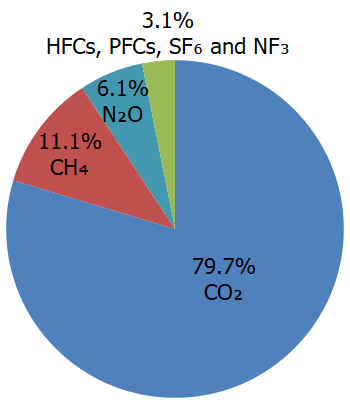
Gases that trap heat in the atmosphere are called greenhouse gases. This section provides information on emissions and removals of the main greenhouse gases to and from the atmosphere. Click on a greenhouse gas below to learn about its emissions in more detail.
- Carbon dioxide (CO2): Carbon dioxide enters the atmosphere through burning fossil fuels (coal, natural gas, and oil), solid waste, trees and other biological materials, and also as a result of certain chemical reactions (e.g., cement production). Carbon dioxide is removed from the atmosphere (or "sequestered") when it is absorbed by plants as part of the biological carbon cycle.
- Methane (CH4): Methane is emitted during the production and transport of coal, natural gas, and oil. Methane emissions also result from livestock and other agricultural practices, land use, and by the decay of organic waste in municipal solid waste landfills.
- Nitrous oxide (N2O): Nitrous oxide is emitted during agricultural, land use, and industrial activities; combustion of fossil fuels and solid waste; as well as during treatment of wastewater.
- Fluorinated gases: Hydrofluorocarbons, perfluorocarbons, sulfur hexafluoride, and nitrogen trifluoride are synthetic, powerful greenhouse gases that are emitted from a variety of household, commercial, and industrial applications and processes. Fluorinated gases (especially hydrofluorocarbons) are sometimes used as substitutes for stratospheric ozone-depleting substances (e.g., chlorofluorocarbons, hydrochlorofluorocarbons, and halons). Fluorinated gases are typically emitted in smaller quantities than other greenhouse gases, but they are potent greenhouse gases. With global warming potentials (GWPs) that typically range from thousands to tens of thousands, they are sometimes referred to as high-GWP gases because, for a given amount of mass, they trap substantially more heat than CO2.
Additional compounds in the atmosphere including solid and liquid aerosol and other greenhouse gases, such as water vapor and ground-level ozone can also impact the climate. Learn more about these compounds and climate change on our