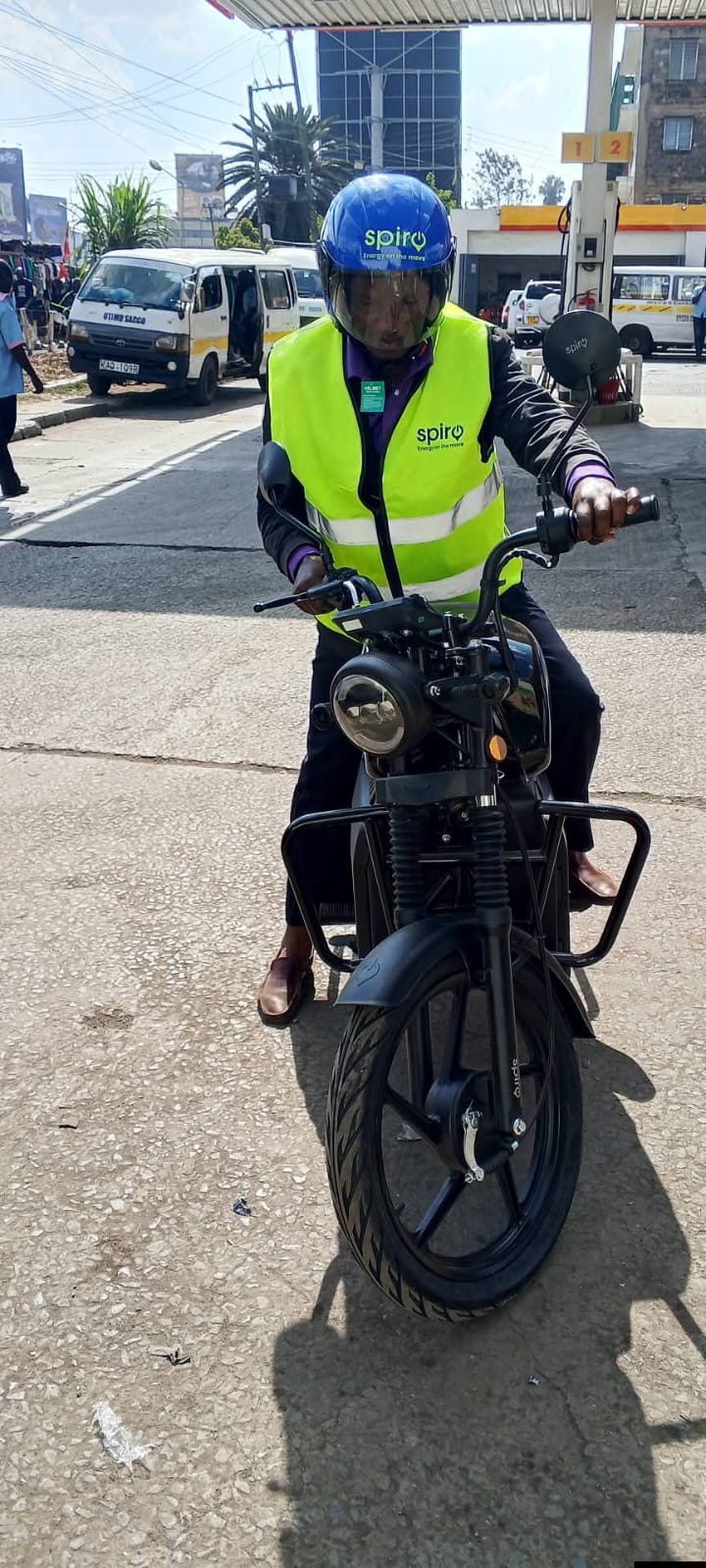
Rider tips
ANOTHER GOOD CUSTOMER
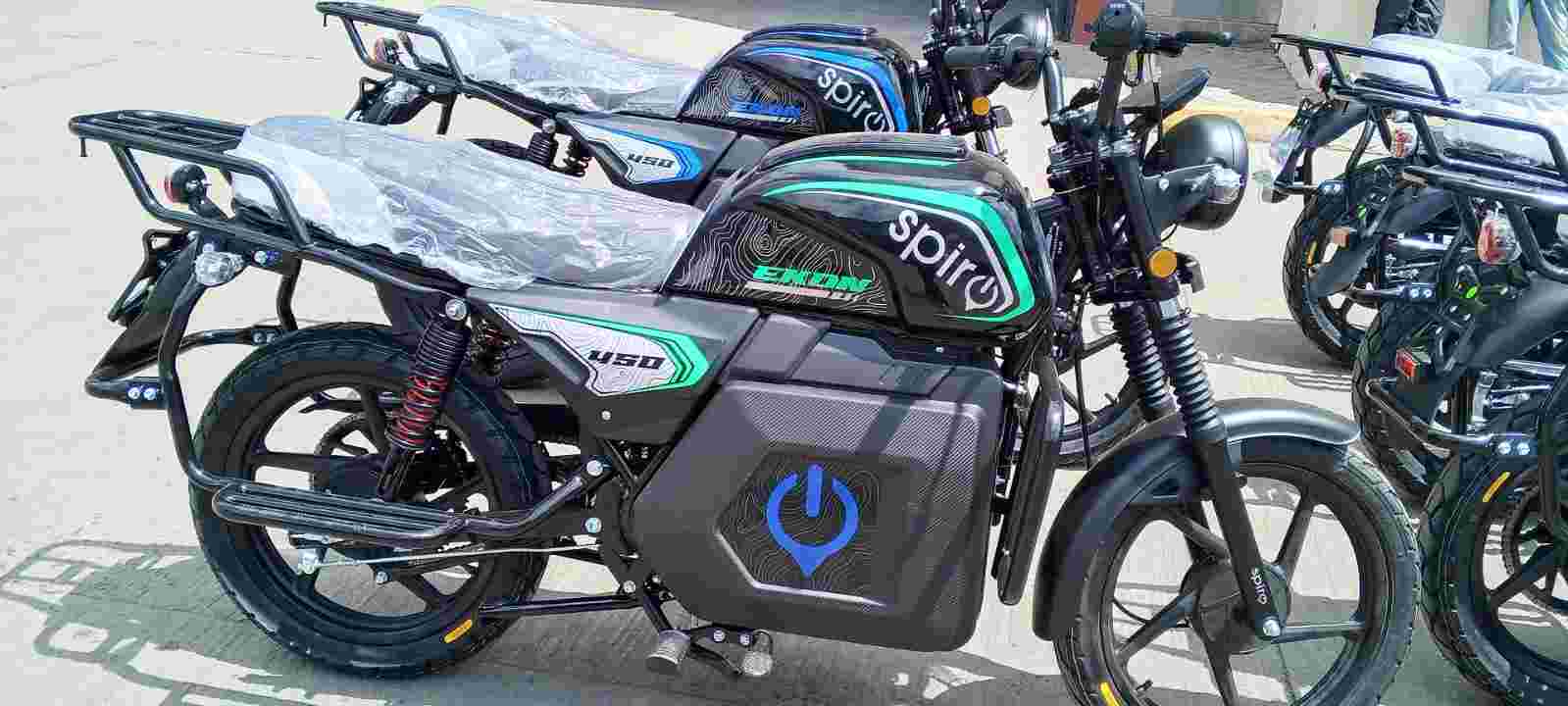
Another happy client with Spiro M1-V3 I wish him a good hustler in BodaBoda Sector

The MME blog
Practical reads for anyone earning on two wheels — or thinking about it.
Another happy client with Spiro M1-V3 I wish him a good hustler in BodaBoda Sector
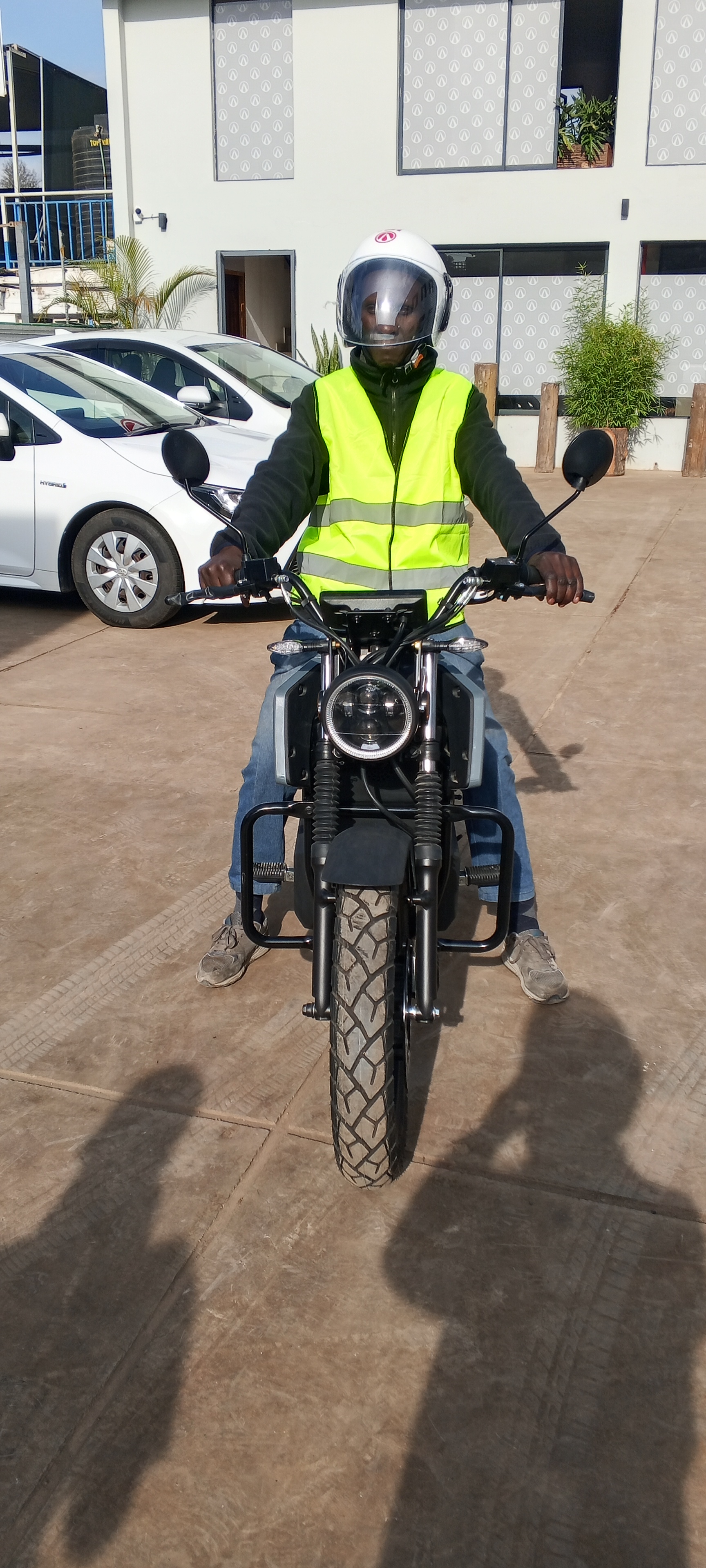
Happy Customer wishes to Mr Thomas who today has started is hustle of Boda through Muindi mweusi Enterprise.Come and yours today
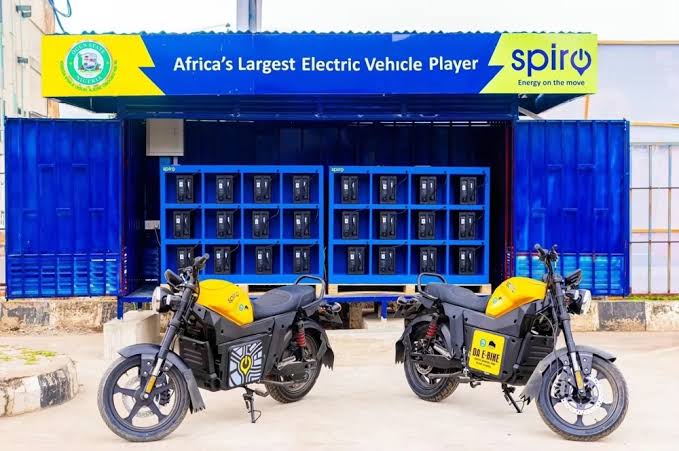
1. Battery Innovations & Cost Parity Chemistry Evolution: Advanced Lithium Iron Phosphate (LFP) and emerging sodium-ion batteries are driving down production costs for mass-market vehicles. Solid-state batteries are nearing commercial viability, offering higher energy density, faster charging, and improved safety. Upfront Price Parity: As pack prices continue to drop, electric vehicles (EVs) are reaching purchase price parity with internal combustion engine (ICE) vehicles in major markets, significantly improving the Total Cost of Ownership (TCO). 2. Infrastructure & Smart Energy Integration Ultra-Fast & Megawatt Charging: The expansion of high-power DC fast-charging networks and megawatt charging standards for heavy commercial vehicles is reducing downtime and overcoming range anxiety. Grid Balancing (V2G / V2H): Vehicle-to-Grid (V2G) and Vehicle-to-Home (V2H) technologies turn EVs into mobile energy storage units, feeding power back into the grid during peak demand or powering homes during outages. Battery Swapping: Particularly for two/three-wheelers and commercial fleets, automated battery swapping stations offer instant power replenishing without long charging waits. 3. Diversification Beyond Passenger Cars Commercial & Heavy Transport: Electrification is accelerating across regional delivery vans, long-haul trucks, buses, and logistics fleets driven by corporate sustainability goals and operational cost savings. Micro-Mobility & Two-Wheelers: Electric motorcycles, scooters, and e-bikes dominate urban transport in emerging markets across Asia, Africa, and Latin America, driving high adoption rates. 4. Software-Defined Vehicles (SDVs) & Autonomy Connected Ecosystems: Modern EVs serve as connected digital platforms receiving over-the-air (OTA) updates for range optimization, battery thermal management, and autonomous driving features. Mobility-as-a-Service (MaaS): Electrification is pairing with autonomous ride-hailing and shared mobility fleets to optimize urban traffic and lower transport costs.
Going green is a great way to reduce your environmental impact and lower daily expenses. Here are practical ways to make a positive ecological difference across key areas: 1. Energy Efficiency & Conservation Lighting: Switch remaining incandescent or halogen bulbs to energy-efficient LEDs, which use up to 80% less energy and last significantly longer. Smart Power Habits: Unplug electronics and chargers when not in use to avoid phantom energy draw, or use smart power strips to cut power automatically. Appliance Management: Run washing machines and dishwashers with full loads using cold water settings to minimize heating energy. 2. Sustainable Transportation Active Travel: Walk, cycle, or use public transit whenever possible to reduce vehicle emissions and fuel consumption. E-Mobility: Consider electric vehicles (EVs) or electric two-wheelers for personal transit, which lower long-term carbon emissions and fuel costs. Vehicle Upkeep: Maintain proper tire pressure and follow regular servicing schedules to ensure optimal fuel efficiency on combustion engine vehicles. 3. Waste Reduction & Circular Habits Single-Use Alternatives: Replace disposable plastic bags, water bottles, and coffee cups with durable reusable alternatives. Digital Paperwork: Move to digital record-keeping, e-billing, and electronic receipts to eliminate unnecessary paper waste. Composting & Recycling: Separate organic kitchen waste for composting to enrich soil, and sort recyclable plastics, metals, and paper products properly. 4. Water & Resource Savings Low-Flow Fixtures: Install water-saving aerators on faucets and dual-flush options or low-flow shower heads to reduce overall consumption. Rainwater Collection: Utilize basic rainwater harvesting setups for watering gardens, washing outdoor areas, or cleaning vehicles. Would you like specific advice tailored to home energy saving, eco-friendly commuting, or reducing office paper waste?
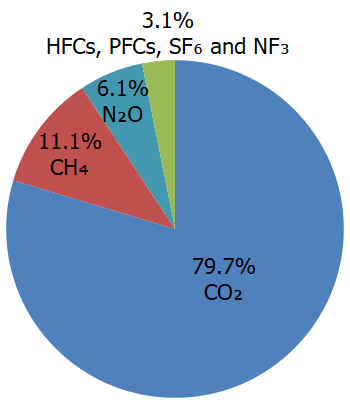
The main advantage of an electric motorbike is its environmental impact. Unlike its thermal counterpart, it doesn't emit any greenhouse gases (GHG) during use. Indeed, since it doesn't have an internal combustion engine, an electric motorbike doesn't emit carbon dioxide (CO2) or other harmful air pollutants. Its contribution to global warming and air pollution is zero (except possibly during its production). This makes the electric motorbike the perfect machine for those who care about their carbon footprint and the health of the planet. Another often-overlooked benefit of electric motorbikes is the significant reduction in noise pollution. Electric motors are much quieter than their internal combustion engine counterparts, contributing to a more pleasant sound environment, particularly in densely populated urban areas. This promotes a better quality of life for residents and also allows them to fully enjoy nature without disturbing the surrounding wildlife The main advantage of an electric motorbike is its environmental impact. Unlike its thermal counterpart, it doesn't emit any greenhouse gases (GHG) during use. Indeed, since it doesn't have an internal combustion engine, an electric motorbike doesn't emit carbon dioxide (CO2) or other harmful air pollutants. Its contribution to global warming and air pollution is zero (except possibly during its production). This makes the electric motorbike the perfect machine for those who care about their carbon footprint and the health of the planet. Another often-overlooked benefit of electric motorbikes is the significant reduction in noise pollution. Electric motors are much quieter than their internal combustion engine counterparts, contributing to a more pleasant sound environment, particularly in densely populated urban areas. This promotes a better quality of life for residents and also allows them to fully enjoy nature without disturbing the surrounding wildlife Gases that trap heat in the atmosphere are called greenhouse gases. This section provides information on emissions and removals of the main greenhouse gases to and from the atmosphere.
Daily Energy & Fuel Costs Petrol Motorcycle: Covers ~35–40 km per liter. High-mileage commercial or daily commuting riders covering 80–100 km daily spend a substantial amount on petrol every day. Daily Energy & Fuel Costs Petrol Motorcycle: Covers ~35–40 km per liter. High-mileage commercial or daily commuting riders covering 80–100 km daily spend a substantial amount on petrol every day. Electric Motorcycle (Battery Swapping / Charging): Charging at home or utilizing pay-as-you-go battery-swap networks (like Spiro or Ampersand) reduces daily energy expenses by 30% to 50% compared to equivalent petrol mileage Maintenance & Servicing Petrol: Requires frequent mechanical interventions: Monthly oil and filter changes Periodic spark plug, clutch plate, and drive belt/chain replacements Engine tuning and carburetor/injector cleaning Electric: Features an integrated direct-drive hub or mid-drive motor with zero engine oil. Maintenance is essentially reduced to regular wear-and-tear items: Brake pads and fluid Tires and suspension bushings Annual Cost Breakdown (100 km Daily / ~30,000 km per Year) Expense Category Standard Petrol Motorcycle Electric Motorcycle Est. Annual Difference Fuel / Energy High (Daily petrol fills)Low (Battery swap fees / grid charge) ~30%–50% cheaper Routine Service & Oil Frequent oil changes, filters, clutch work Brake pads and tires only ~60%–70% reduction Downtime / Lost Income Time spent in garage for engine repairs Minimal (Swap batteries in ~2 minutes) Higher active road time Electric Motorcycle (Battery Swapping / Charging): Charging at home or utilizing pay-as-you-go battery-swap networks (like Spiro or Ampersand) reduces daily energy expenses by 30% to 50% compared to equivalent petrol mileage
Countries and individual drivers are actively switching to electric vehicles (EVs) and electric motorcycles due to a combination of lower daily operating costs, government regulations, and technological improvements Countries and individual drivers are actively switching to electric vehicles (EVs) and electric motorcycles due to a combination of lower daily operating costs, government regulations, and technological improvements Key Drivers of the Transition Lower Total Operating & Running Costs: Electricity is significantly cheaper per kilometer than petrol or diesel. For high-mileage drivers (such as commercial motorcycle riders or taxi drivers), energy savings add up quickly. Additionally, electric drivetrains have fewer moving parts, eliminating routine expenses like oil changes and spark plug replacements. Media & MG Life+ 1 Energy Security & Price Volatility: Relying on imported fossil fuels exposes national economies and individual consumers to global oil market spikes. Charging EVs on local electrical grids—especially those backed by renewable power—provides greater cost stability. Government Policy & Tax Incentives: Many governments accelerate adoption by offering tax breaks, purchase subsidies, and exemptions from registration or toll fees. Major international regions are also implementing strict emission targets or planned bans on new internal combustion engine sales over the coming decades. Motorist Vietnam Urban Air Quality & Emission Standards: Zero tailpipe emissions directly improve local air quality in crowded cities, reducing health risks associated with nitrogen oxides (NOx) and fine particulate matter (PM2.5). Cities increasingly enforce low-emission zones that restrict older, high-polluting petrol vehicles. Media & MG Life Better Battery Technology & Battery-Swapping: Advancements in lithium-ion technology offer longer ranges and faster charge times. For electric motorbikes, battery-swapping stations allow riders to exchange a depleted battery for a fully charged one in under two minutes, removing downtime completely. Vehicle Type Running Cost Maintenance Requirements Tailpipe Emissions Instant Torque Electric (EV / E-bike) Very low (Electricity)Low (No engine oil, fewer parts) None High (Immediate acceleration) Petrol / Diesel High & variable (Fossil fuels)Moderate to high (Filters, oil, spark plugs)High (CO2, NOx, particulates)Dynamic (Varies with engine RPM)
Boda boda riders across East Africa are rapidly transitioning to electric motorcycles because a motorcycle is primarily a business asset, and electric bikes drastically cut daily running costs while boosting profit margins. The key reasons driving this shift include: 1. Massive Daily Fuel Savings Lower Cost per Kilometer: Charging an electric battery or swapping for a fresh one costs a fraction of buying petrol. While petrol expenses can swallow nearly half of a rider's daily revenue, electric power can cut energy costs by 50% to 75%. Increased Take-Home Income: By spending far less on energy each day, riders can retain significantly more profit—often increasing net daily earnings by KSh 300 to KSh 500 or more, which directly supports household expenses, rent, and school fees. 2. Reduced Maintenance & Servicing Fewer Moving Parts: Electric motors replace complex internal combustion engines. Riders no longer need to pay for routine engine oil changes, spark plugs, clutch replacements, or fuel filter repairs. Less Downtime: With simpler mechanical systems, electric bikes suffer fewer unexpected breakdowns, keeping riders on the road earning money rather than waiting at a mechanic's garage. 3. Fast Battery-Swapping Networks Zero Waiting Time: Battery-as-a-Service (BaaS) and automated swap stations (offered by operators like Spiro, Roam, and ARC Ride) allow riders to swap a depleted battery for a fully charged one in under two minutes. This eliminates long charging delays and avoids losing valuable operating hours during peak times. 4. Pay-As-You-Go (PAYG) Financing Low Entry Barrier: Financing partnerships (such as M-KOPA, Watu, and asset-finance platforms) allow riders to get an electric bike with a reasonable down payment and daily mobile money micro-installments (e.g., via M-Pesa). Decoupled Battery Costs: Many companies own and service the battery while renting it to the rider. This keeps the purchase price of the bike competitive with traditional petrol models. 5. Better Riding Experience & Working Conditions Rider Comfort: Electric bikes produce zero direct tailpipe emissions, generate virtually no noise, and release minimal engine heat, creating a cleaner, smoother, and less exhausting shift for riders working long hours. No Manual Gears: Automatic single-speed operation makes navigating congested city traffic and stop-and-go rides effortless compared to constant clutch and gear shifting. Key reasons driving this shift include: 1. Significant Daily Fuel SavingsFuel is typically a rider's single largest daily expense. While running a petrol motorcycle can cost KSh 500 to KSh 700+ per day in fuel, powering an electric bike—either via home charging or battery swapping—typically costs around KSh 100 to KSh 250 for the same distance. This shift can nearly double a rider's take-home pay. 2. Fast Battery-Swapping Stations Battery-swapping networks (operated by companies like Spiro, Roam, and Ampersand) eliminate long charging downtime. A rider can pull up to a station, swap a depleted battery for a fully charged one in under two minutes, and immediately get back on the road to pick up passengers. 3. Cheaper and Simpler Maintenance Electric motors have far fewer moving parts than internal combustion engines. Riders save substantial money and time because electric bikes do not require: Engine oil changes Enzi Motors Spark plug replacements Enzi Motors Clutch or gearbox repairs Energise Africa Fuel/air filter replacements Energise Africa Less mechanical failure means less downtime, ensuring the motorcycle stays on the road earning money. Techdrivers 4. Smoother Ride and Torque Performance Electric motors deliver instant torque, making it easier to haul heavy loads, climb steep inclines, or navigate urban traffic without gear shifting. The reduction in noise and engine vibration also reduces physical fatigue for riders spending 10 to 12 hours on the road daily. 5. Flexible Financing and Asset Ownership Financing models (Pay-As-You-Go / PAYGO) allow riders to acquire electric motorcycles with low initial down payments and daily micro-installments, making ownership more accessible compared to buying traditional bikes upfront.