
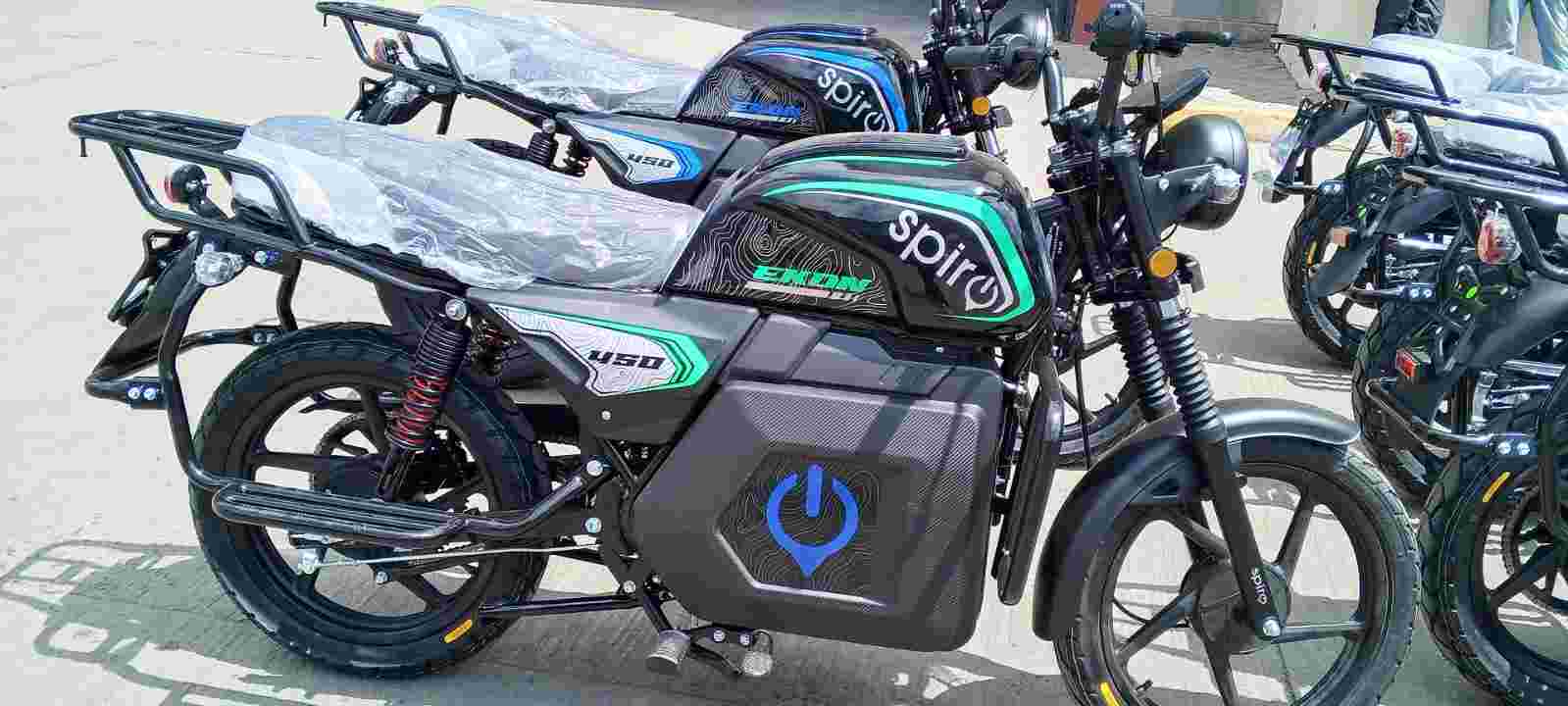
The key reasons driving this shift include:
1. Massive Daily Fuel Savings
- Lower Cost per Kilometer: Charging an electric battery or swapping for a fresh one costs a fraction of buying petrol. While petrol expenses can swallow nearly half of a rider's daily revenue, electric power can cut energy costs by 50% to 75%.
- Increased Take-Home Income: By spending far less on energy each day, riders can retain significantly more profit—often increasing net daily earnings by KSh 300 to KSh 500 or more, which directly supports household expenses, rent, and school fees.
2. Reduced Maintenance & Servicing
- Fewer Moving Parts: Electric motors replace complex internal combustion engines. Riders no longer need to pay for routine engine oil changes, spark plugs, clutch replacements, or fuel filter repairs.
- Less Downtime: With simpler mechanical systems, electric bikes suffer fewer unexpected breakdowns, keeping riders on the road earning money rather than waiting at a mechanic's garage.
3. Fast Battery-Swapping Networks
- Zero Waiting Time: Battery-as-a-Service (BaaS) and automated swap stations (offered by operators like Spiro, Roam, and ARC Ride) allow riders to swap a depleted battery for a fully charged one in under two minutes. This eliminates long charging delays and avoids losing valuable operating hours during peak times.
4. Pay-As-You-Go (PAYG) Financing
- Low Entry Barrier: Financing partnerships (such as M-KOPA, Watu, and asset-finance platforms) allow riders to get an electric bike with a reasonable down payment and daily mobile money micro-installments (e.g., via M-Pesa).
- Decoupled Battery Costs: Many companies own and service the battery while renting it to the rider. This keeps the purchase price of the bike competitive with traditional petrol models.
5. Better Riding Experience & Working Conditions
- Rider Comfort: Electric bikes produce zero direct tailpipe emissions, generate virtually no noise, and release minimal engine heat, creating a cleaner, smoother, and less exhausting shift for riders working long hours.
- No Manual Gears: Automatic single-speed operation makes navigating congested city traffic and stop-and-go rides effortless compared to constant clutch and gear shifting.